Dakshina Tantra
Dakshina Tantra represents the traditional and orthodox approach to Tantric practice. It focuses on purity, discipline, and symbolic rituals performed according to spiritual guidelines.
Overview
This path emphasizes meditation, mantra chanting, ethical conduct, and devotion to divine principles. Rituals are symbolic rather than literal and are designed to elevate spiritual awareness.
Dakshina Tantra is one of the main paths of tantra. You can also explore Shaiva Tantra, Shakta Tantra, Vaishnava Tantra and Vama Tantra.
What Is Dakshinachara?
Dakshinachara means “the right-hand way of conduct”. It is the gentle, Vedic-friendly path of tantra, built on purity, devotion and discipline. The seeker worships the chosen deity with mantra japa, puja, havan and meditation, and keeps a clean, sattvic daily routine.
Core practices of Dakshina Tantra
- Daily mantra japa given by the guru at diksha
- Puja and havan with the correct vidhi (method)
- Yantra worship for focus and protection of the home
- Pranayama and meditation to steady the mind
- Sattvic food, truthful speech and service to others
Dakshinachara and Vamachara
Dakshinachara is the path for householders and beginners. Vamachara, the left-hand path, uses unconventional rituals and, according to the tantric texts, must only be followed under a fully qualified guru. Both aim at the same goal: awakening inner Shakti and realising the divine within.
At Agnitra Foundation, Tantrguru Shree Ganesh Dubey teaches only this pure right-hand approach, called Satvik Tantra, in four levels with online and offline classes.
Benefits and Uses
Practitioners follow Dakshina Tantra to cultivate inner peace, discipline, and spiritual growth. Practices are considered safe and widely accepted within mainstream spiritual traditions.
Key Benefits
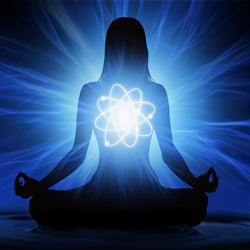
Dakshina Tantra offers a balanced and disciplined approach to spiritual growth. It helps individuals achieve inner peace, mental clarity, and emotional stability through structured practices.
Related Practices
Dakshina Tantra includes various spiritual practices that help individuals achieve balance, discipline, and higher awareness. These practices are deeply rooted in tradition and are designed to guide practitioners toward inner peace and divine connection. Through regular meditation, mantra chanting, and ethical living, individuals can purify their mind and strengthen their spiritual foundation. This path encourages self-control, devotion, and a gradual transformation of consciousness, leading to a more harmonious and meaningful life.
 Meditation – Improves focus and inner calm
Mantra Chanting – Raises spiritual vibration
Yantra Worship – Enhances concentration
Temple Rituals – Builds devotion and discipline
Spiritual Study – Enhances knowledge and self-awareness

Images and Symbols
In Dakshina Tantra, sacred images and symbols play an important role in guiding meditation and spiritual practices. These symbols, such as yantras, lotus patterns, and traditional deity representations, help focus the mind and enhance spiritual awareness. They are not merely decorative but carry deep symbolic meanings that support inner transformation and connection with divine energy.
Yantras – Sacred geometric designs for meditation
Lotus Symbol – Represents purity and enlightenment
Deity Images – Inspire devotion and focus
Sacred Patterns – Enhance spiritual concentration
Explore Other Paths of Tantra
Shaiva Tantra
Read more →
Dakshina Tantra
You are here
Shakta Tantra
Read more →
Vaishnava Tantra
Read more →
Vama Tantra
Read more →
New to the subject? Start with our complete guide to tantra.
Learn Satvik Tantra with Tantrguru Shree Ganesh Dubey
Four levels, from basic awareness to advanced sadhana, with online and offline classes in New Delhi, Mumbai and Vrindavan.
Join Satvik Tantra Level 1Book a SessionFrequently Asked Questions
What is Dakshina Tantra?
Dakshina Tantra refers to the right-hand path of Tantra focusing on purity and symbolic rituals.
Is it considered traditional?
Yes, it is often seen as the orthodox and socially accepted Tantric path.
What practices are common?
Meditation, mantra chanting, and ritual worship are commonly practiced.
Is it safe for beginners?
Yes, many spiritual teachers recommend this path for beginners.
Does it involve strict discipline?
Yes, practitioners follow ethical and spiritual guidelines.
Are symbolic rituals used?
Yes, rituals often represent deeper spiritual principles.
What is the goal?
The goal is spiritual growth and realization of divine consciousness.