Vedic Mantras
Vedic Mantras originate from the ancient Vedas, the oldest sacred texts of India. These mantras are composed in Sanskrit and were traditionally transmitted orally by sages and priests. They are recited during rituals, sacrifices, and spiritual ceremonies. A well-known example is the Gayatri Mantra, revered for its spiritual significance.
Overview
The Vedas—Rigveda, Yajurveda, Samaveda, and Atharvaveda—contain thousands of mantras dedicated to various deities representing natural forces and cosmic principles. These sacred chants reflect the ancient spiritual knowledge of India and were traditionally preserved through oral transmission from teacher to student. Each mantra carries a specific rhythm, tone, and pronunciation that is considered essential for maintaining its spiritual power and meaning.
These mantras are characterized by precise pronunciation, rhythm, and intonation, which are carefully preserved in Vedic chanting traditions. In Vedic culture, the correct recitation of these mantras is believed to maintain the purity of the original revelation received by ancient sages. Because of this, students traditionally undergo years of disciplined training to master the correct sounds, accents, and patterns of chanting.
Through consistent study and practice, practitioners learn to recite these mantras with accuracy and devotion. Chanting Vedic mantras is not only a ritual practice but also a form of meditation that helps focus the mind, create spiritual harmony, and connect individuals with the deeper cosmic principles described in the Vedas.
Benefits / Uses
Spiritual Purification
Chanting Vedic mantras is believed to purify the mind and uplift spiritual awareness. The sacred vibrations produced during chanting help calm restless thoughts and create a peaceful mental state. Through regular practice, individuals develop greater clarity, concentration, and inner balance. Many practitioners believe that the sound patterns of these ancient mantras carry spiritual energy that supports personal transformation and deeper meditation.
Protection and Blessings
Many Vedic mantras are traditionally recited to invoke divine protection, guidance, and blessings. These sacred chants are often performed during rituals, prayers, and spiritual ceremonies to create a positive and harmonious atmosphere. The sound vibrations produced during chanting are believed to influence the mind and environment, helping practitioners cultivate a sense of peace, devotion, and spiritual focus.Practitioners believe that regularly chanting these mantras strengthens faith and invites divine grace into their lives. The practice encourages individuals to connect with higher spiritual values such as truth, discipline, and devotion. As the mantras are repeated with sincerity and concentration, they help purify the mind and create a deeper sense of inner stability.Over time, this spiritual discipline can help remove negative thoughts and emotional disturbances from the mind and surroundings. Many devotees experience a sense of protection, reassurance, and confidence when they incorporate Vedic mantra chanting into their daily spiritual routine. Through consistent practice, individuals often develop stronger devotion, emotional resilience, and a deeper sense of spiritual balance in their lives.
Ritual and Ceremony
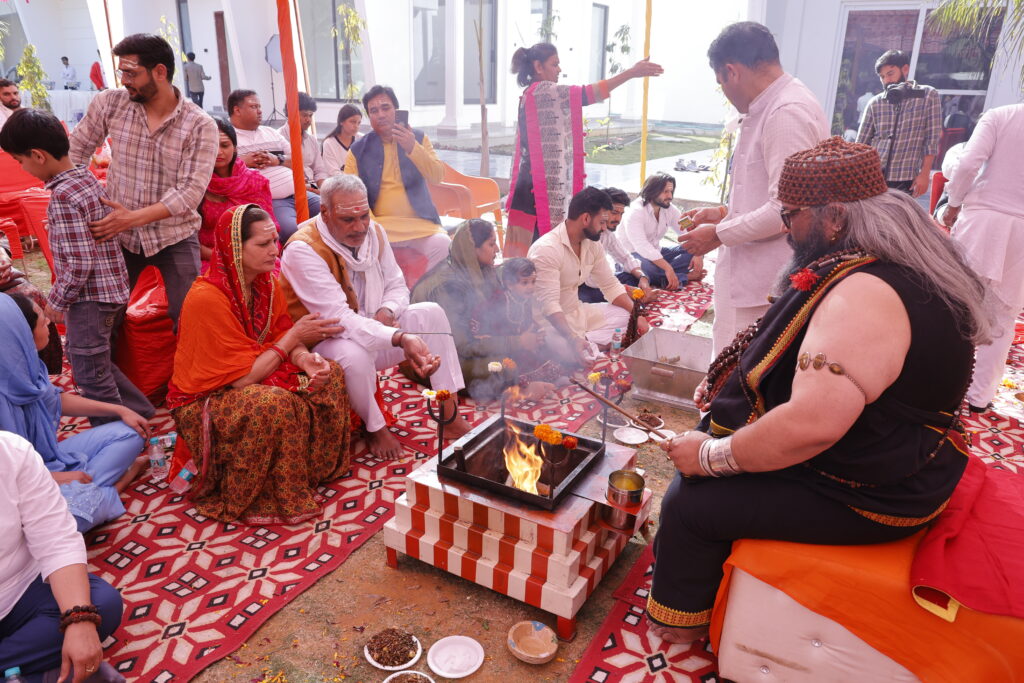
Vedic mantras play a central role in many spiritual rituals and ceremonies such as yajnas, temple worship, and daily prayers. During these sacred practices, priests and practitioners chant specific mantras to honor divine forces and maintain spiritual harmony. The rhythmic recitation of these mantras connects individuals with ancient traditions and sacred knowledge passed down through generations. Through this practice, devotees experience a deeper sense of spiritual participation and cultural continuity.
Related Practices
Yajna
Rituals
Fire rituals where mantras are chanted with offerings.
Temple Ceremonies
Priests recite Vedic mantras during worship.
Meditation Practice
Practitioners chant mantras for concentration and clarity.
Traditional Learning
Students learn chanting through years of disciplined training.
Images / Symbols

Symbols and Sacred Elements
Symbols connected with Vedic mantra practice include sacred fire altars, ancient Vedic script manuscripts, and spiritual symbols such as the sacred sound Om. These elements represent important aspects of Vedic tradition and help practitioners focus their minds during rituals and spiritual practices. The presence of these symbols reminds devotees of the deep spiritual knowledge preserved within the Vedas and the importance of maintaining sacred traditions through chanting and meditation.Among these symbols, fire—known as Agni—holds a particularly significant role in many Vedic rituals. In traditional yajna ceremonies, offerings such as grains, herbs, and ghee are placed into the sacred fire while Vedic mantras are chanted. Agni is believed to act as a divine messenger, carrying prayers and offerings from the physical world to the spiritual realm. Through this symbolic process, practitioners seek divine blessings, purification, and harmony.The use of these sacred symbols also helps create a spiritual atmosphere that supports devotion and mindfulness. By focusing on symbols like the fire altar, Vedic scriptures, and the Om sign, practitioners are reminded of the deeper cosmic principles described in the Vedas. Over time, these visual and symbolic elements strengthen spiritual awareness and encourage individuals to maintain discipline, reverence, and dedication in their mantra practice.