Saguna Mantras
Saguna Mantras are devotional chants dedicated to a personal form of the Divine. The word “Saguna” means “with attributes,” referring to the worship of God with form, qualities, and personality. Examples include mantras dedicated to Shiva, Vishnu, Lakshmi, or Durga.
Overview
In many devotional traditions, Saguna mantras are used to build a personal and heartfelt relationship with the Divine. These mantras often include the name of a specific deity such as Shiva, Vishnu, Lakshmi, or Durga, and are repeated with deep devotion, faith, and sincerity. By chanting the sacred names and qualities of the divine, practitioners express their reverence and gratitude while strengthening their spiritual connection. Bhakti yoga, the path of devotion, strongly emphasizes this form of mantra practice as a powerful way to experience divine love and presence.
Through regular chanting, prayer, and meditation, devotees gradually cultivate feelings of love, trust, and surrender toward the divine presence. This repeated devotional practice helps calm the mind and encourages individuals to focus on higher spiritual values rather than everyday worries or distractions. Over time, the act of chanting becomes a meaningful spiritual discipline that nurtures inner peace and strengthens faith.
This devotional connection often brings spiritual comfort and emotional balance to practitioners. Many devotees feel a sense of guidance, protection, and reassurance when they chant Saguna mantras regularly. As faith deepens, individuals may also experience a greater sense of purpose and direction in their spiritual journey, allowing them to approach life with greater clarity, devotion, and inner harmony.
Benefits / Uses
Devotional Connection
Saguna mantra chanting helps devotees build a strong emotional and spiritual connection with their chosen form of the Divine. By repeatedly chanting the name or qualities of a deity, practitioners cultivate feelings of love, devotion, and faith. This practice strengthens the personal relationship between the devotee and the divine presence, creating a sense of comfort, guidance, and spiritual support in everyday life.
Emotional
Balance
The rhythmic repetition of Saguna mantras helps calm the mind and bring emotional stability. As practitioners repeat the sacred name or qualities of a chosen deity, their attention gradually shifts away from everyday worries and distractions. This focused chanting creates a peaceful mental state and allows the mind to relax while remaining spiritually engaged.When practitioners focus their thoughts on divine qualities such as compassion, strength, wisdom, and protection, they often experience a deep sense of reassurance and inner comfort. The presence of these positive spiritual qualities helps cultivate feelings of hope, devotion, and trust in the divine guidance that supports their life journey.Over time, regular chanting of Saguna mantras can help reduce stress, encourage positive thinking, and promote emotional balance in daily life. The practice also strengthens faith and devotion, allowing individuals to feel more connected to their spiritual path.
Focused Meditation
Saguna mantras provide a clear point of focus during meditation by directing attention toward a specific deity or divine attribute. This focused devotion helps practitioners concentrate more easily and maintain a steady state of mindfulness. Through consistent practice, individuals can deepen their meditation experience, strengthen their spiritual discipline, and develop greater awareness of divine qualities in their lives.
Related Practices
Kirtan
Devotional singing and chanting in groups.
Temple Worship
Offering prayers and rituals in temples.
Devotional Rituals
Using incense, flowers, and lamps during prayer.
Deity Visualization
Meditating while visualizing a chosen deity
Image and Symbol
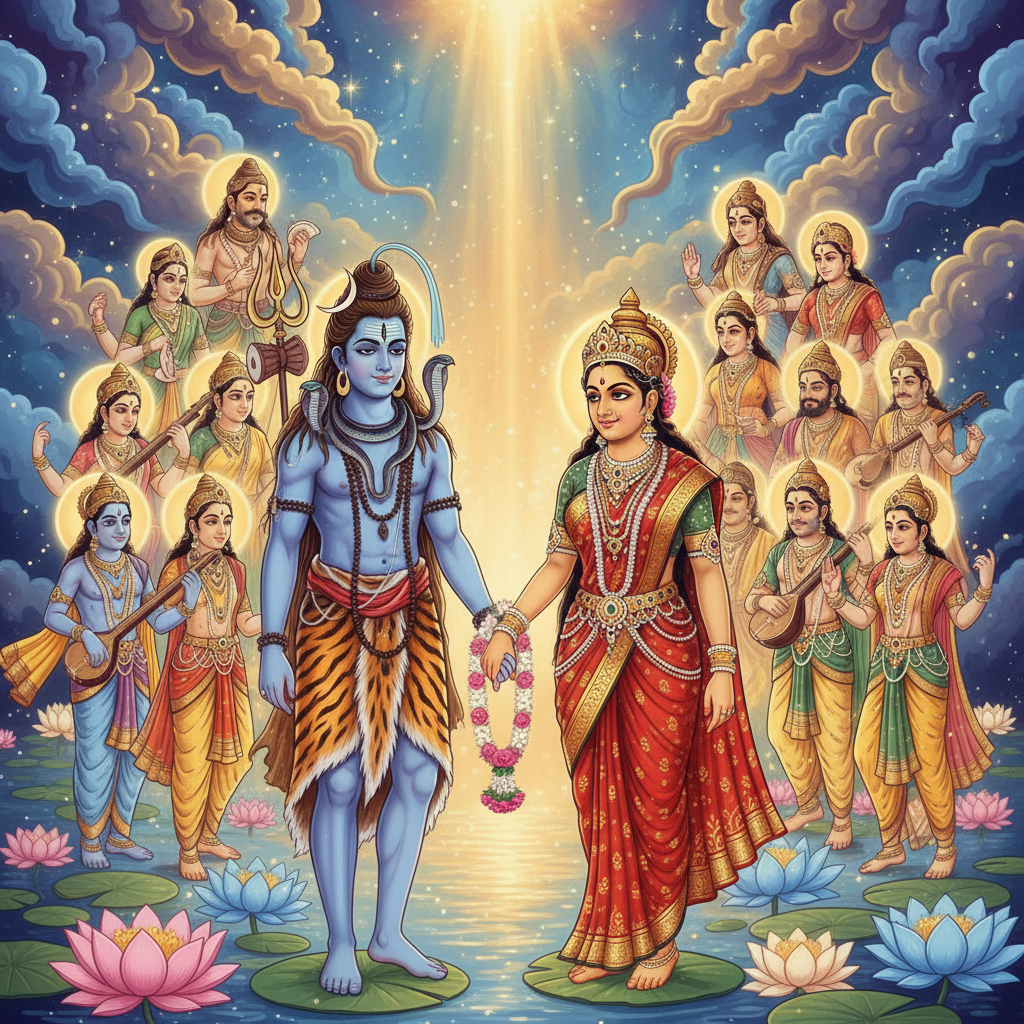
Images of deities, temple icons, and sacred symbols are commonly used in Saguna worship as visual representations of the Divine. These forms help devotees concentrate their minds and express their devotion through prayer, chanting, and meditation. By focusing on the image of a chosen deity, practitioners can develop a deeper sense of connection and reverence toward the divine presence.
In many spiritual traditions, these sacred images are placed in temples, prayer rooms, or personal altars where devotees offer flowers, light lamps, and chant mantras. The presence of these symbols creates a spiritual atmosphere that supports devotion and mindfulness. Visualizing the deity while chanting mantras also helps practitioners strengthen their focus and maintain a sense of dedication during spiritual practice.
Over time, these sacred representations become powerful reminders of divine qualities such as compassion, strength, protection, and wisdom. By meditating on these forms, devotees often experience a stronger emotional and spiritual bond with the divine, helping them feel guided, supported, and inspired in their daily lives.