Mantra
Mantra refers to a sacred sound, syllable, word, or phrase that is repeated during meditation or spiritual practice.
The Sanskrit term ‘mantra’ comes from ‘manas’ (mind) and ‘tra’ (instrument), meaning a tool for focusing and transforming the mind.
Overview
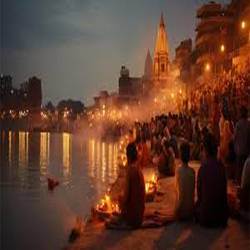
Mantras have been used for thousands of years in Hindu, Buddhist, and yogic traditions as powerful tools for meditation and spiritual growth. They are mentioned in ancient scriptures such as the Vedas and Upanishads, where sages and spiritual practitioners discovered specific sound patterns believed to resonate with cosmic energies and higher consciousness. These sacred sounds are considered more than just words; they are vibrations that influence the mind, body, and inner awareness.
Traditionally, a mantra is received from a teacher or spiritual lineage and practiced with devotion and discipline. The repetition of a mantra can be done aloud, whispered softly, or silently within the mind. This practice is known as ‘japa’, a meditative technique that helps calm the mind, improve concentration, and deepen spiritual awareness. Through continuous repetition, practitioners gradually experience a sense of inner peace, focus, and connection with the divine or universal energy.
Benefits / Uses Section
Calm the Mind
Regular mantra chanting helps calm the mind and reduce mental stress. The rhythmic repetition of sacred sounds creates a peaceful mental state and helps release tension from daily life. Practicing mantras regularly encourages relaxation, emotional balance, and a deeper sense of inner peace.
Improve Concentration
Mantras can significantly improve focus and mental clarity during meditation or spiritual practices. Repeating a sacred sound directs the mind toward a single point of attention, helping to reduce distractions and wandering thoughts. This focused repetition allows practitioners to become more mindful of their breath, thoughts, and inner awareness.Over time, regular mantra practice strengthens concentration and encourages mental discipline. It also promotes a sense of calmness and emotional balance, making it easier to remain present in the moment. With consistent practice, individuals often experience improved mental stability, deeper meditation, and a greater sense of clarity in both spiritual practice and daily life.
Spiritual Growth
Many practitioners use mantras as a path toward spiritual awareness and inner transformation. The vibrations created by chanting are believed to align the mind with higher consciousness and positive energy. Regular practice can deepen meditation and help individuals feel more connected with their inner self.
Related Practices Section
Yantras
Yantras are sacred geometric diagrams used in many spiritual traditions to support mantra practice and meditation. These symbolic patterns represent cosmic energy and spiritual balance. When practitioners focus on a yantra while chanting a mantra, it helps strengthen concentration and creates a deeper connection between the mind and spiritual awareness.
Tantras
Tantras refer to spiritual frameworks and practices that guide individuals toward deeper meditation and self-realization. In many traditions, mantra chanting is combined with tantric techniques to enhance spiritual awareness. These practices help practitioners explore inner energy, discipline the mind, and develop a stronger connection with spiritual knowledge.
Meditation
Meditation is closely connected with mantra practice and is often performed together to deepen inner awareness. Chanting a mantra while focusing on breathing or inner silence helps calm the mind and reduce distractions. This combination allows practitioners to enter a peaceful meditative state and gradually develop clarity and mindfulness.
Mala Beads
Mala beads are commonly used as a traditional tool for counting mantra repetitions during meditation. A typical mala contains 108 beads, allowing practitioners to maintain rhythm and focus while chanting. Using mala beads also encourages discipline in practice and helps create a consistent and mindful meditation routine.
Om Symbol
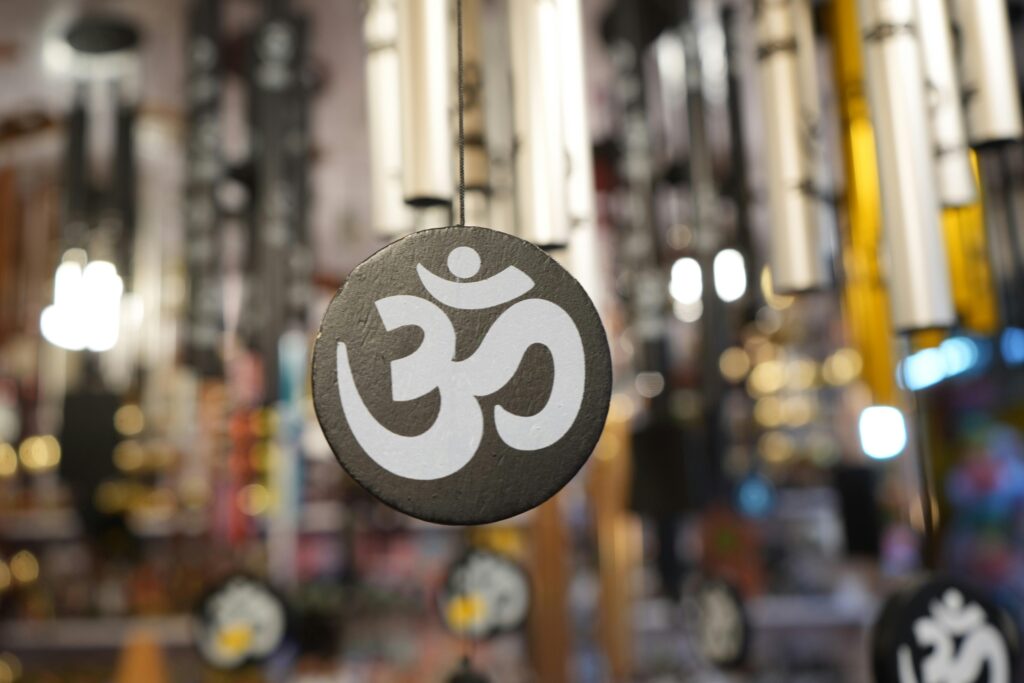
The Om symbol is one of the most sacred and widely recognized sounds in Indian spiritual traditions. It represents the primordial cosmic vibration that is believed to be the origin of the universe and the essence of all existence. In many Hindu, Buddhist, and yogic practices, Om is chanted at the beginning and end of meditation sessions to create a peaceful and focused atmosphere.
Chanting the Om sound during mantra practice helps calm the mind, regulate breathing, and bring awareness to the present moment. The vibration produced by this sacred sound is believed to harmonize the body, mind, and spirit, allowing practitioners to experience a deeper sense of spiritual connection and inner peace.
Lotus Symbol
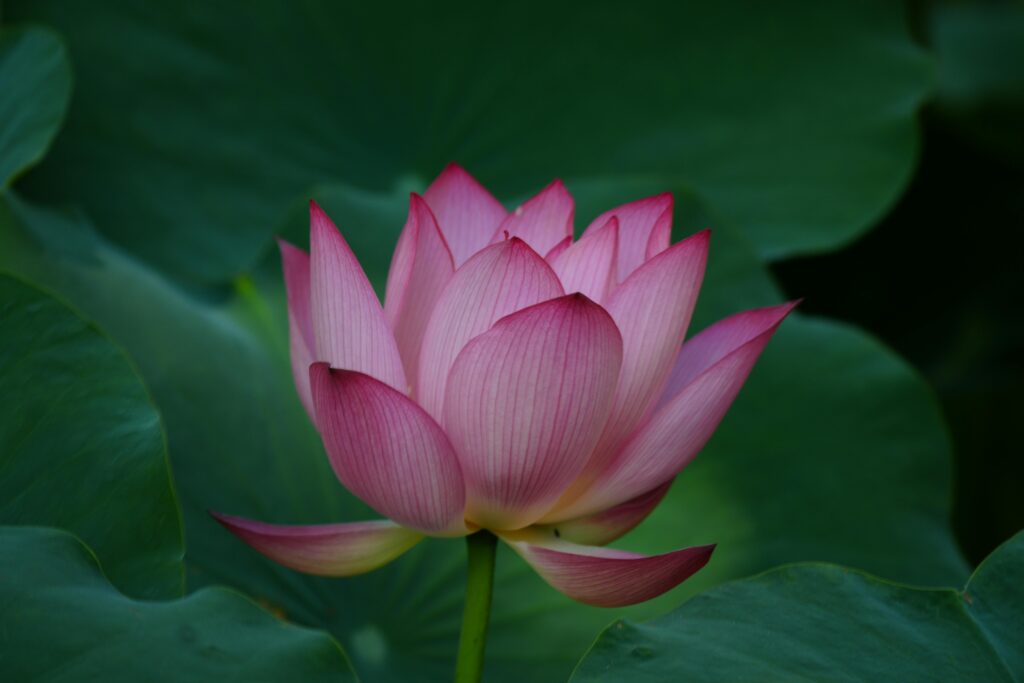
The lotus flower is a powerful and meaningful symbol in many spiritual traditions, particularly in Hinduism and Buddhism. It represents purity, spiritual awakening, and the journey toward enlightenment. The lotus grows in muddy water but rises above the surface to bloom beautifully, symbolizing the ability of the human mind to rise above challenges and distractions.
In meditation and spiritual practices, the lotus often represents the unfolding of consciousness and the awakening of inner wisdom. Many spiritual teachings compare the mind to a lotus that gradually opens as a person develops awareness, discipline, and clarity through practices such as mantra chanting and meditation.
Sri Yantra
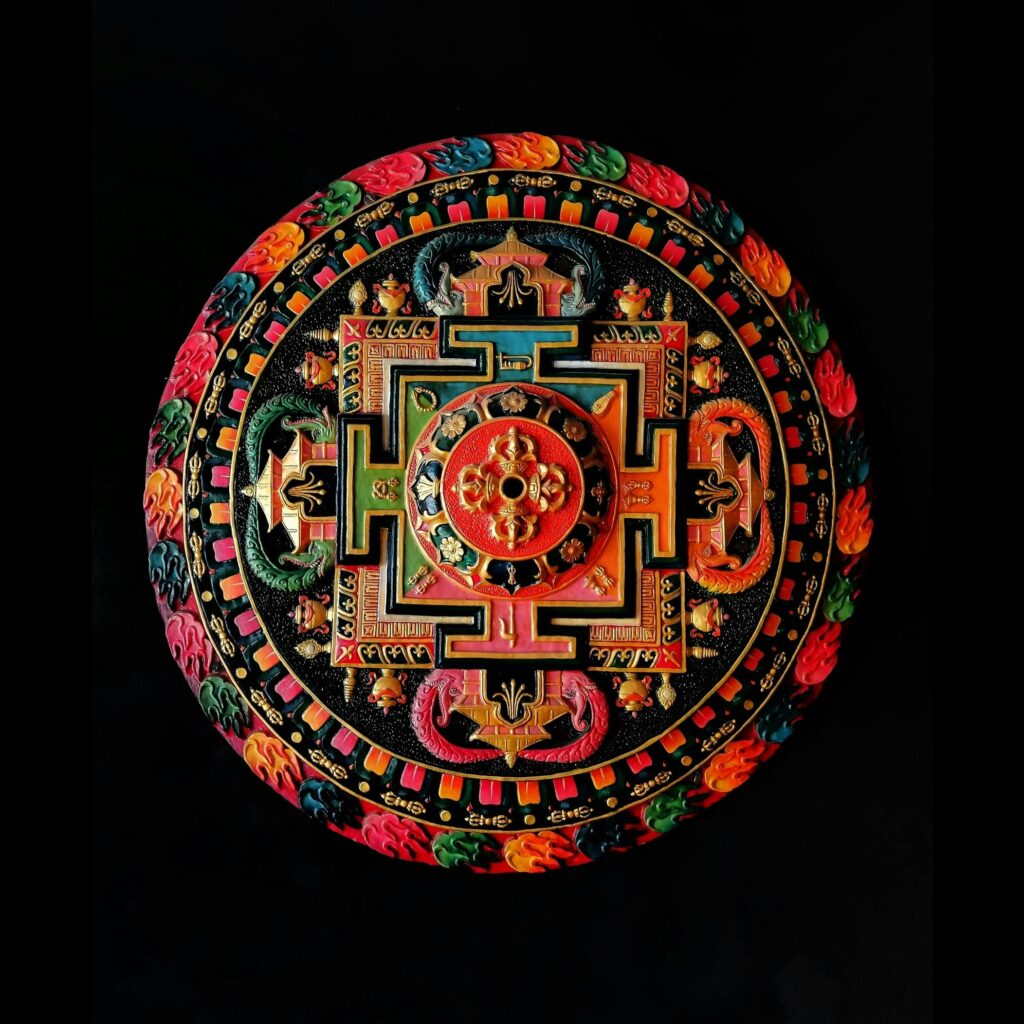
Sri Yantra is a sacred geometric diagram considered one of the most powerful symbols used in spiritual and meditation practices. It is composed of interlocking triangles that represent the balance and unity of cosmic energies, often symbolizing the connection between the divine masculine and feminine principles.
Many practitioners use the Sri Yantra as a visual focus during mantra chanting and meditation. By concentrating on its intricate patterns, individuals can deepen their focus and develop greater mental clarity. The symbol is also believed to represent harmony, abundance, and spiritual transformation, helping practitioners cultivate a sense of balance and inner awareness.
Explore More Mantra Traditions
Bija Mantras
Bija Mantras are short seed sounds that are believed to carry powerful spiritual vibrations. Each bija sound represents a specific energy or divine principle and is often used in meditation and mantra chanting practices. These simple yet potent syllables help practitioners focus their minds and awaken inner awareness. Regular chanting of bija mantras is believed to balance energy, strengthen concentration, and support spiritual growth.
Vedic Mantras
Vedic Mantras originate from the ancient Vedas, which are among the oldest spiritual texts in the world. These sacred chants have been passed down through generations and are traditionally recited during rituals, prayers, and spiritual ceremonies. Vedic mantras are known for their precise pronunciation and rhythmic patterns. Chanting them is believed to create harmony, invite positive energy, and deepen spiritual understanding.
Tantric Mantras
Tantric Mantras are used within tantric spiritual traditions to awaken inner energy and enhance meditation practices. These mantras are often combined with visualization techniques, breathing exercises, and symbolic rituals. Practitioners believe that repeating tantric mantras can help activate subtle energies within the body and mind. Through consistent practice, individuals may experience deeper awareness, transformation, and spiritual balance.
Saguna Mantras
Saguna Mantras are associated with specific deities and divine forms within spiritual traditions. Devotees chant these mantras to express devotion, seek blessings, and strengthen their spiritual connection with a chosen deity. The repetition of saguna mantras helps cultivate faith, gratitude, and emotional harmony. Through regular chanting, practitioners often feel a sense of protection, guidance, and spiritual comfort.
Nirguna Mantras
Nirguna Mantras focus on the formless aspect of the divine and represent pure consciousness that exists beyond physical form and material reality. Unlike mantras associated with specific deities or images, nirguna mantras guide practitioners toward understanding the universal and infinite nature of spiritual truth. These sacred sounds encourage individuals to move beyond external symbols and connect directly with inner awareness.By chanting nirguna mantras, practitioners gradually learn to quiet the mind and transcend everyday distractions and attachments. This practice helps cultivate deeper self-awareness and allows individuals to experience a sense of spiritual clarity and inner stillness. Over time, regular repetition of these mantras encourages contemplation, inner peace, and a deeper understanding of universal truth and the nature of existence.